In the home care industry, we have been conditioned to believe that “bigger is better.” We chase the 24/7 cases. We enforce 4-hour or 8-hour minimums because the logistics of anything less feel like a nightmare. We tell ourselves that short shifts are impossible to staff and even harder to make profitable.
But while we are busy fighting over the same high-hour cases, thousands of seniors are falling through “The Gap.”These are the individuals who aren’t sick enough for skilled nursing but aren’t safe enough to be leftentirely alone. They don’t need someone sitting on their couch for six hours; they need someone to ensure they took their heart medication, drank a glass of water, and didn’t trip over the rug in the hallway.
At Desert Wellness Non Medical Group LLC, we stopped running away from these “small” cases. Instead, we built a high-impact model around the 30-Minute Wellness Check. It has changed our bottom line, solved staffing gaps, and, most importantly, provided genuine peace of mind to families who were previously underserved.
The Myth of the “Unprofitable” Short Shift
The standard industry logic is simple: the overhead of drive time and administrative scheduling makes a 30-minute visit a loser. If you treat a short visit like a standalone event, that logic is correct. You cannot send a caregiver across town for a single 30-minute block and expect to stay in the black.
However, when you shift your perspective from “individual shifts” to “routes,” the math changes.
Think of it like a delivery service or a utility check. By clustering wellness checks geographically, we create high-density routes. A caregiver can visit four clients in a three-mile radius within a few hours. When you factor in a “premium” rate for short-duration visits: which families are happy to pay because the total daily cost is still far lower than a 4-hour minimum: the margin per hour actually exceeds that of your long-term companion shifts.

Bridging “The Gap” for Seniors and Families
Most families are caught in an “All or Nothing” trap. They realize Dad is getting forgetful, but they can’t justify $600 a day for a caregiver to watch TV with him. So, they do nothing. They cross their fingers and hope for the best.
This is where the 30-Minute Wellness Check becomes the vital link. It allows us to offer a “Safety Net” tier of service for quick safety, oversight, and reassurance.
These visits are focused, clinical, and disciplined. We aren’t there to do laundry or meal prep for the week. We are there to execute specific protocols:
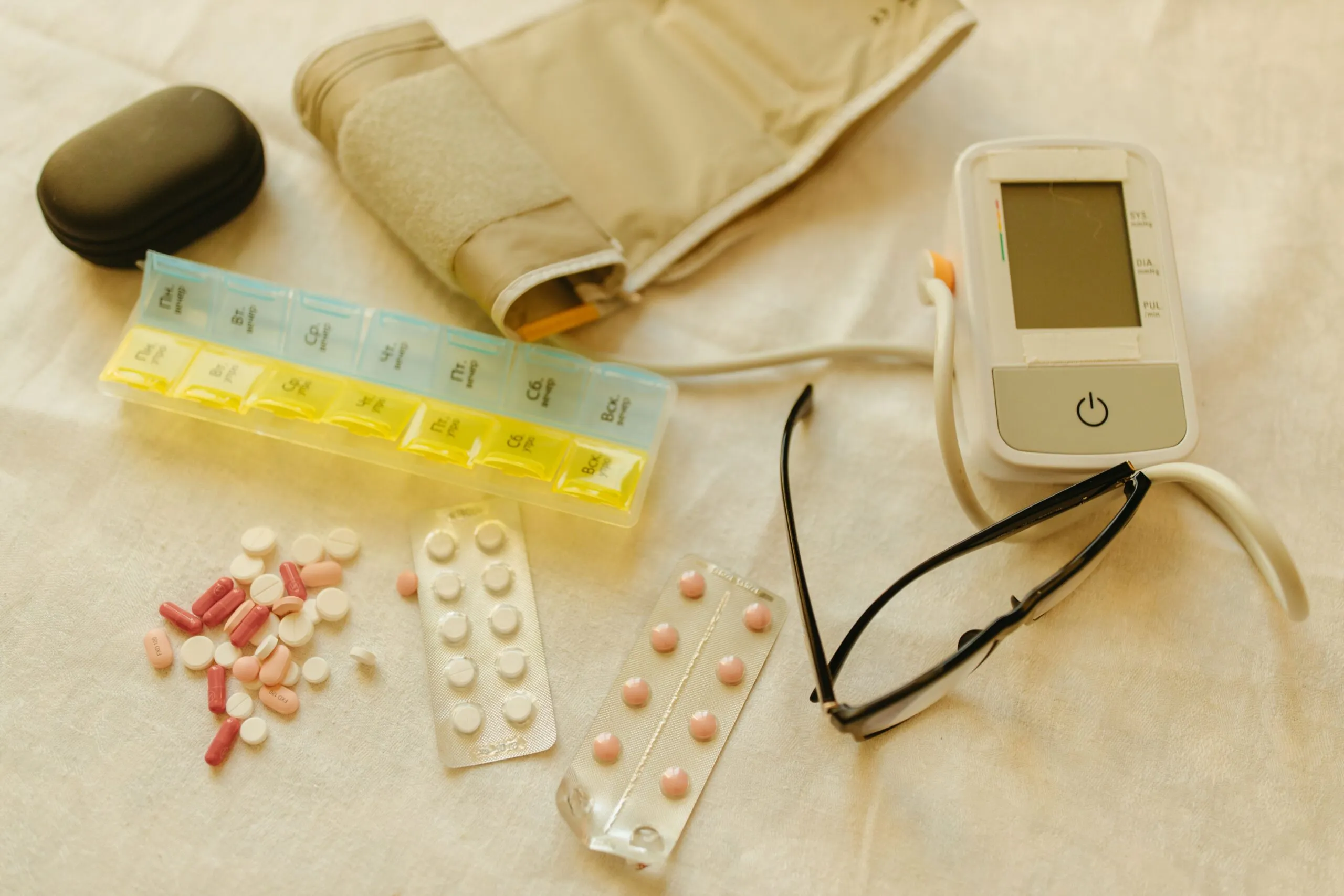
- Medication Verification: Ensuring the pillbox is correct and the morning dose was taken.
- Hydration and Nutrition Check: Verifying the client has access to fresh water and a clear meal plan for the next few hours.
- Safety Scan: A quick walk-through to identify new trip hazards or equipment issues.
- Vital Monitoring: Checking temperature or pulse if required by the care plan.
But the model does not stop at quick checks. For families who need more support, we also offer a 90-Minute Comprehensive visit. This is how the bridge scales from a fast safety check to a full wellness assessment with tangible help in the home.
The 90-Minute Comprehensive visit is built for clients who need more time, more observation, and more hands-on support. It can include:
- Full Wellness Assessment: A broader review of mobility, hydration, nutrition, and home safety
concerns. - Meal Prep Support: Preparing fresh meals for the client when families need that extra level of nutritional support.
- Detailed Documentation: A clear SITREP for families so they know what was assessed, what was completed, and what needs follow-up.
- Extended Reassurance: More time to spot subtle changes and provide peace of mind to the support network.
By defining these boundaries explicitly, we manage expectations. The family knows exactly what they are getting, whether they choose a fast 30-minute safety check or a 90-minute comprehensive visit with fresh meal preparation and a deeper wellness assessment.
Why Frequency Beats Duration for Safety
There is a common misconception that more hours equals more safety. In reality, a senior’s condition can change in an instant.
A caregiver who stays for four hours on a Tuesday afternoon might miss a fall that happens on Wednesday morning. However, a model built on 30-minute checks performed twice a day, every day, provides more data points.
We see the client more often. we notice the subtle decline in gait. We notice the slight confusion that might indicate a UTI before it becomes an emergency. This high-frequency touchpoint model is actually safer for many seniors than a once-a-week long shift. It allows for early risk detection and immediate intervention.

Staffing: Turning “Holes” into “High-Value Blocks”
One of the biggest headaches for any agency owner is the “Swiss Cheese” schedule. You have caregivers who want 40 hours, but they have a two-hour gap in the middle of their day.
The 30-Minute Wellness Check is the perfect filler. Because these visits are geographically clustered, we use them to bridge the gaps in our team’s schedules. Caregivers appreciate the variety. A 30-minute check is high-energy and mission-focused. It doesn’t lead to the burnout often associated with 12-hour companion shifts where the caregiver feels more like a roommate than a healthcare professional. We have found that our military-minded staff particularly enjoy the precision of these visits. It feels like a mission: get in, execute the SITREP, and ensure the objective is met.
The SITREP: Documentation with Precision
At Desert Wellness Non Medical Group LLC, we don’t use traditional, wordy notes for these visits. We utilize the SITREP (Situation Report) method. The SITREP is a concise, standardized update provided to the family immediately after the visit. It eliminates the “fluff” and focuses on the facts:
- Current Status: Is the client stable?
- Tasks Completed: Meds, hydration, safety scan.
- Observations: Anything new or concerning?
- Plan: When is the next check-in?
Families love SITREPs because they can read them in 30 seconds on their phone. It provides instant reassurance. For the agency, it creates a clean paper trail that reduces liability. We aren’t guessing if the caregiver did their job; the SITREP proves it.

Operational Reliability: The Key to Scalability
To make this model work, you must have professional rigor. You cannot be “casual” about 30-minute shifts. If a caregiver is 15 minutes late to a 4-hour shift, it’s a problem. If they are 15 minutes late to a 30-minute shift, the visit is effectively over.
We treat these visits with military-grade punctuality. We use GPS geofencing to ensure caregivers are on-site when they say they are. This operational reliability is what allows us to charge a premium and what keeps our referral partners: like doctors and discharge planners: sending us more clients. They know that a Desert Wellness check-in is a guarantee, not a “maybe.”
How to Get Started
If you are looking to diversify your agency’s revenue and reach the underserved “Gap” market, start small.
- Identify a Geographic Cluster: Choose a neighborhood or senior living complex where you already have a presence.
- Create a “Wellness Tier”: Price it as a flat fee per visit, not an hourly rate. This emphasizes the value of the outcome, not the time spent.
- Standardize the Protocol: Create a checklist for your caregivers so they know exactly what a “successful” 30-minute check looks like.
- Implement SITREP Reporting: Give the families the data they crave in a format they can actually
use.

The home care landscape is changing. Families are looking for flexibility, transparency, and targeted care. By embracing the 30-minute visit, you aren’t just making your agency more profitable: you are providing a vital service to seniors who would otherwise be left to fend for themselves.
Don’t let “The Gap” be a place where seniors fail. Make it a place where your agency thrives. If you want to learn more about how we structure our protocols and documentation for these high-impact visits, visit our website at https://desert-wellness.sintra.site.
We are all in this together, and by sharing these strategies, we can raise the standard of care for everyone. Let’s stop chasing hours and start chasing impact.
Article by Donald Hiers